Thursday, September 23, 2021

What I learn

heritage in chinese civilisation

 2.3 Wisdom of Zhuangzi (a dose)

i. involvement in affairs of society is like an egg or carrot or tea in boiling water (a person decides which one he wants to be)

- the egg turns hard

- the carrot becomes mushy

- the tea releases fragrance

ii. “neither fear death, nor court death” – allow nature to take its course: birth, growth, sickness, old age, death

iii. “everything exists for an implicit and established reason”; “nature has beauty which is not explicit” – understand what is explicit truth, what is established reason

iv. do not be spiritually confined but have an open clear view

v. inner fast = spiritual fast: keep out distracting thoughts; keep calm in the heart

vi. a sage is calm at heart; many things are covered by noise.  Water is clear when it’s calm, so too will spirit be


* Heritage in brief, for contemplation


Thursday, September 16, 2021

Seek


Seek and you'll find
freshness, vitality
even in the least expected.


Monday, September 13, 2021

What I learn

heritage in chinese civilisation

 
2.2  Significant values of Chinese culture 

1. Confucian values
i. Benevolence
ii. Compassion
- harmony
- social responsibility
- ceremony courtesy
iii. based on: 
- words of benevolence vs western values
- righteousness vs democracy
- rites vs human rights
- intelligence vs liberty
- fidelity vs constitutionality
- integrity vs dignity of individual

2. Challenge to cultural identity, traditions, core values of Chinese culture, in a modern, open, foreign society - threat or co-existence?

3. Filial piety need not be obedience but mutual growth/progress

4.  Treat nature as a community
Heaven is Father/Earth is Mother

5. Bring food to the mouth or mouth to the food

6. Why does the lotus rise from the mud?

7. Eight fears
i. pride
ii. ignorance
iii. anger
iv. jealousy
v. wrong view
vi. miserliness
vii. attachment
viii. doubt

8. Where is the road?  Under your feet.
When there is no road but you keep going, a road will open up.
Go with the flow = keep going, especially when fatigue or in doubt/uncertain.


* Heritage in brief, for contemplation


Wednesday, September 8, 2021

What I learn


heritage in chinese civilisation


2.1  Chinese culture/tradition comprises

1. Rituals/customs in Chinese culture, e.g.
a. Spring festival – reunion, time for family to get together to eat; celebration – when people are free in winter, land cannot be worked on
b. Qing Ming
i. Respect for and appreciation of ancestors
ii. Philosophy of death
iii. Know how to live
Know where we come from
Know where we are
Know where we are going to
iv. Like a kite – a celebration, a release

2. Values
i. Filial piety
ii. Ancestor respect
iii. Austerity

3. Symbols such as 
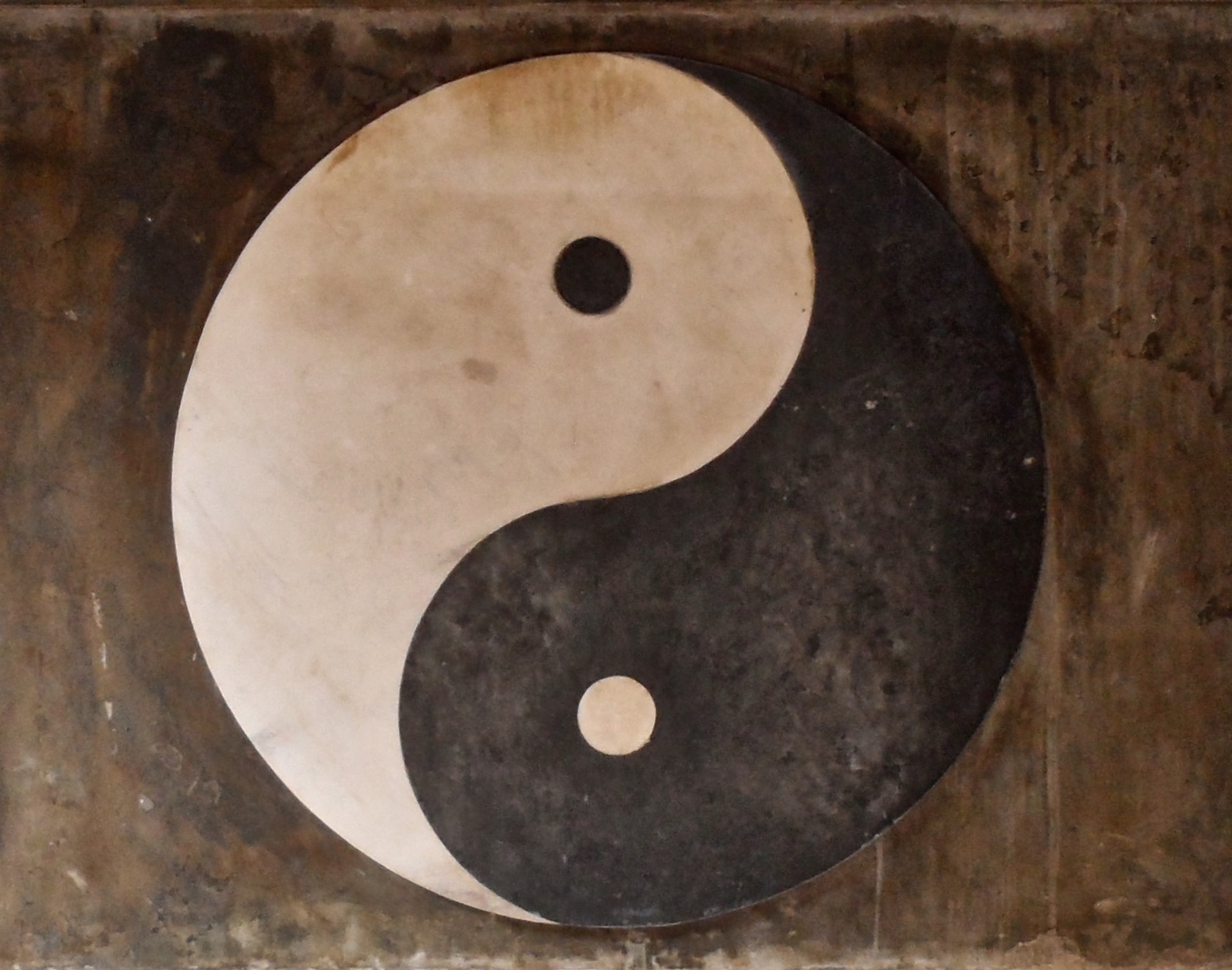
i. Yin Yang
ii. Images
iii. Colours
iv. Architecture

4. Main doctrines in Chinese culture – based on three modes/manifested by :
i. Personality – dao or doctrine of gentleman (vs mean person, xiao ren)
ii. Thinking – mean (i.e. oppose all extremism)
iii. Behavioral – etiquette – family ethics

5. Elements in Chinese culture, e.g.
dance reflects 
- circle feature
- reaching towards earth (angled in earth)

6. Integration and assimilation
- what/how much to absorb; what/how much to let go, if at all;
- crossing the divide – communication

7. Upholding cultural practice need not be expensive, e.g. tea drinking practice – need not require one to be well-educated, rich

8. Stories/values to guide (vs others with religion)

9. Everyone has duties, occupation and possesions, e.g. the monk and his bundle of possession/duties vs the official and his documents/responsibilities

10. Sometimes it's better to be wise than to be right.


* Heritage in brief, for contemplation


Monday, September 6, 2021

What I learn

heritage in chinese civilisation

2.0 How to Cultivate Oneself

1. Four virtues to cultivate
i. Trustworthiness – true, loyal, sincere
ii. Sense of shame
iii. Integrity
iv. Gratitude – to parents; even to those you can help

Man is different from animal because of culture.
Man is given the greatest freedom, also the greatest restraint

2. Teachings
i. Confucianism – have the courage to do things (duties, responsibilities)
ii. Buddhism – life is fleeting; know when to let go – do not hold on to past; do not long for future; live in the present
iii. Daosim – know how to view the world (there is contentment)

3. Emphasis on contentment and self-sufficiency.

4. Go with the natural, i.e. the natural = innateness of things, i.e. what you are, not how you should be when compared to others, e.g. if others eat two bowls of rice, you eat one, do not try to eat two.
Stay within your own limits, i.e. not eat or wear more than what you are in size – stomach, body measurement

5. Propriety = respect
Cultivating self is a gradual process – learn things to benefit self, not for trade, etc.


* Heritage in brief, for contemplation.


Flit, flirt, love


Flit, flirt, love


Live, leave, love


Saturday, September 4, 2021

Seasons of life


Seasons of life
Taking and giving
Celebration is not an illusion.